Remain Cool: Leading Air Conditioning Services for Every Household
As it relates to ensuring coziness in the home, selecting the right air conditioning service is critical. Homeowners must weigh factors such as company track record, technician certifications, and the assortment of cooling options available. Routine maintenance holds a significant role in system efficiency, while spotting signs of needed repairs can forestall unexpected system issues. Yet, many still overlook energy-efficient solutions that could provide both comfort and savings. What are the recommended approaches for determining and upkeeping these equipment?
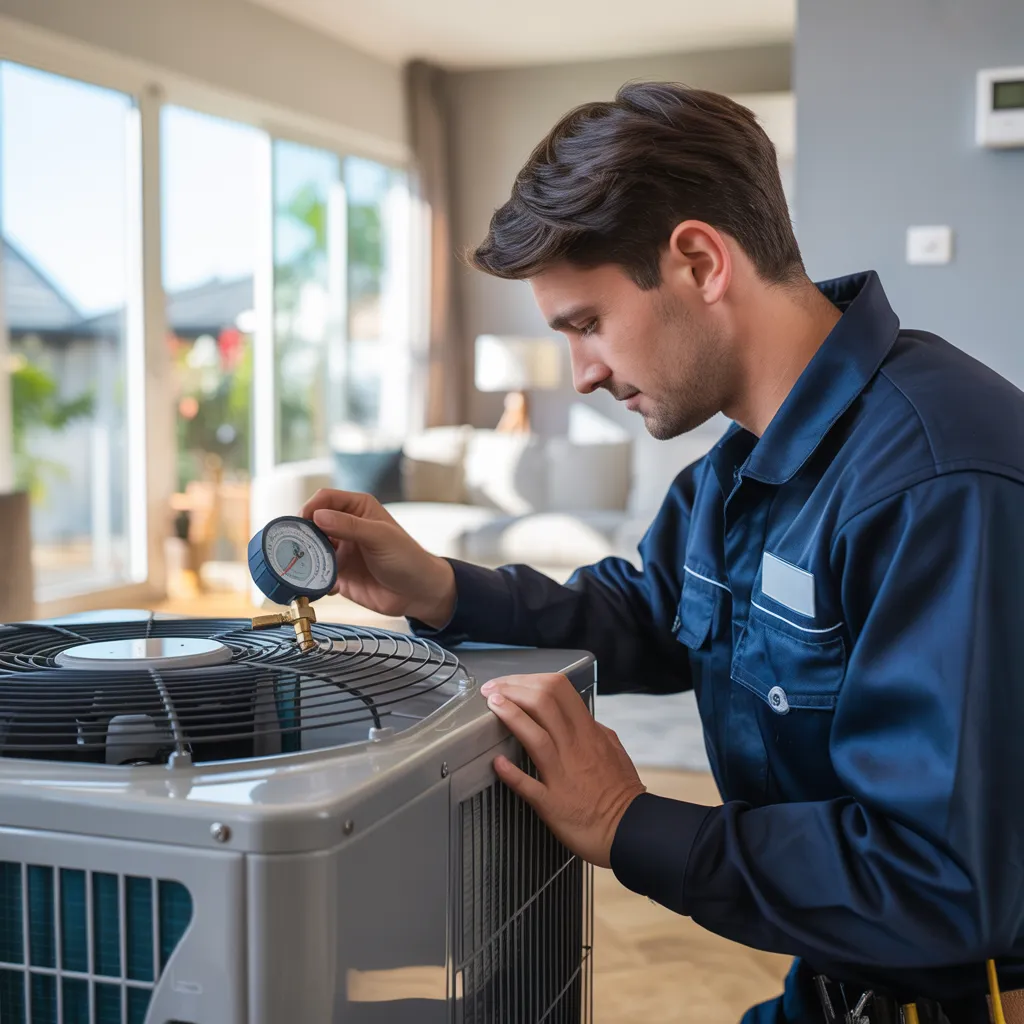
Guide for Picking the Top Air Conditioning Services
When picking the best air conditioning services, what considerations should one think about? First, it is essential to evaluate the firm's reputation. Testimonials and customer reviews can give understanding into reliability and quality of service. Additionally, verifying the certifications and qualifications of technicians is important, as skilled professionals ensure correct maintenance and installation.
One more vital point is the scope of services provided. A thorough service provider should handle installation, repair, and routine maintenance. Also, openness in pricing reduces unexpected costs; obtaining detailed estimates is prudent.
Moreover, consider the turnaround time for urgent needs, as timely assistance can be important during extreme weather conditions. Finally, identify organizations that deliver warranties or guarantees on their work, which can provide enhanced reassurance. By accounting for these considerations into account, customers can determine the best option when picking air conditioning services that best address their needs.
Understanding Different Kinds of Air Conditioning Units
Comprehending the different categories of air conditioning units is essential for efficient climate control in homes and businesses. Central air conditioning systems provide thorough cooling through ductwork, while ductless mini-split options present flexibility and efficiency for targeted spaces. Each system has unique advantages that meet to different needs and preferences.
Complete HVAC cooling solutions
Central air conditioning systems deliver an efficient means for temperature management in entire homes or large spaces. These solutions consist of a central unit that moves cooled air through a network of ducts, ensuring consistent temperature balance. Typically, they feature an outdoor compressor unit and an indoor air handler, which operate together to ensure comfort. Central air conditioning is known for its effectiveness, especially in larger homes, as it can cool multiple rooms simultaneously. Installation requires professional assessment, considering factors like home size and insulation. Regular maintenance, such as filter changes and system checks, is essential for peak operation and longevity. Homeowners frequently appreciate the convenience of centralized control, rendering it a popular choice for residential cooling needs.
Ductless Mini-Split Options
Ductless mini-split systems deliver a flexible and efficient substitute to traditional air conditioning units, notably in properties without ducting. These systems include an outdoor compressor unit and one or more indoor air-handling units, permitting focused temperature adjustment in specific areas. This design not only enhances energy efficiency by preventing energy loss connected to ducted systems but also supplies homeowners with flexible climate preferences. Mini-splits are offered in various configurations, incorporating single-zone and multi-zone systems, fulfilling different space requirements. Additionally, many models include cutting-edge features such as programmable thermostats and energy-saving modes. Overall, ductless mini-splits operate as a versatile solution for ensuring comfort in diverse living environments.
Critical Care Recommendations for Your AC System
Properly maintaining your air conditioning system stays critical for excellent performance and prolonged service. Essential care procedures consist of frequent filter replacement, coil cleaning, and checking thermostat calibration. Putting into practice these key guidelines can substantially improve performance efficiency and decrease energy bills.
Regular Filter Change
Consistently changing air filters is important for optimal air conditioning efficiency. Clogged filters limit airflow, forcing the system to work harder, which can lead to higher energy consumption and diminished efficiency. This strain may reduce the lifespan of the unit helpful information and result in costly repairs. Moreover, dirty filters can spread dust, allergens, and other pollutants throughout the home, affecting indoor air quality. Homeowners should check their filters monthly and change them every one to three months, depending on usage and filter type. Regular upkeep not only enhances comfort but also guarantees the system operates at peak performance. By prioritizing filter replacement, individuals contribute to a more fuel-saving environment and a healthier living space.
The Significance of Coil Cleaning
Cleanliness serves as an vital role in the performance of an air conditioning system, especially involving the coils. The evaporator and condenser coils are vital for heat exchange, and dirt accumulation can significantly hinder their functionality. When coils are dirty, the system must function with increased effort to cool the air, resulting in increased energy consumption and higher utility bills. Regular coil washing helps sustain ideal airflow and enhances the overall efficiency of the unit. It can also lengthen the lifespan of the air conditioning system by preventing overheating and mechanical failures. Homeowners should book professional cleaning at least once a year, particularly before peak usage seasons, to guarantee their system operates smoothly and effectively.
Thermostat Adjustment Checks
A precisely tuned thermostat is key for top air conditioning efficiency. Regular calibration assessments confirm that the thermostat precisely indicates the intended temperature, preventing unnecessary energy waste and enhancing comfort. Over time, elements like dust accumulation or temperature fluctuations can lead to discrepancies in readings. Homeowners should schedule these checks at least once a year or before peak usage seasons. During a calibration check, technicians can modify the parameters, providing maximum operation. Additionally, upgrading to a smart thermostat can deliver more precise control and energy reduction. Maintaining a accurate thermostat not only increases the lifespan of the air conditioning system but also aids in lower utility bills, emphasizing its value to overall HVAC maintenance.
Red Flags Your AC Needs Fixes?
How can homeowners guarantee their air conditioning units are operating at their best? Recognizing the signs that reveal a need for repairs is essential. One common red flag is inadequate cooling; if the air conditioner fails to maintain a comfortable temperature, it may signal underlying issues. Unusual noises, such as grinding or squealing, can also indicate mechanical problems that require attention. Additionally, a noticeable increase in energy bills without a change in usage may indicate the unit is working harder than necessary because of inefficiencies. Homeowners should also look out for unusual odors, which can indicate mold or electrical issues. Finally, if the system frequently cycles on and off, known as short-cycling, it often indicates a malfunction that should be addressed promptly. By staying vigilant for these signs, homeowners can ensure their air conditioning systems remain in top condition.
What to Do When Your AC Malfunctions?
When an air conditioning unit malfunctions, it can negatively impact comfort and produce concern for residents. The first thing to do is to examine the thermostat to ensure it is configured properly. If it seems operational, residents should look at the circuit breaker for any tripped switches or blown fuses. Next, examining the air filter for dirt and obstruction is vital, as a clogged filter can restrict airflow. If these basic diagnostic steps do not address the issue, calling a professional technician is suggested. They can identify complicated problems, such as coolant leaks or compressor malfunctions. Residents should not attempt repairs without proper training, as this can cause additional damage. While waiting for a technician, keeping doors and windows shut can help preserve indoor temperatures. By following these guidelines, homeowners can more effectively manage the circumstances until a technician arrives.
Economical Techniques to Cool Down Your Home
While conventional AC units are capable, exploring environmentally-conscious alternatives can markedly lower both electricity consumption and heating costs. Residents can select units with superior Seasonal Energy Efficiency Ratios to assure best operation. Ductless cooling solutions supply versatility, permitting individualized climate control without the energy waste tied to conventional ductwork. Moreover, programmable smart thermostats can refine temperature settings, responding to the homeowner's daily patterns and cutting back on excess energy consumption.
Evaporative coolers, fitting for dry climates, use water evaporation to cool air, using considerably less electricity than conventional units. For those interested in sustainable solutions, solar-powered air conditioning units tap into renewable energy, further decreasing environmental impact.
Ultimately, continuous maintenance and suitable insulation play vital roles in maintaining efficiency. By adopting these environmentally-conscious cooling alternatives, occupants can obtain comfort while likewise furthering to energy conservation and cost savings.
Frequently Raised Questions
How Regularly Should I Change My Air Conditioner?
Air conditioners generally need replacing every 10 to 15 years, based on usage and maintenance. Routine maintenance can extend their lifespan, but efficiency declines over time, prompting many homeowners to consider replacement sooner.
Is it feasible to install an AC Unit on My Own?
Installing an AC unit yourself is possible, but it requires specialized expertise and compliance with local codes. Improper installation can result in efficiency issues or safety hazards, so professional assistance is frequently suggested for optimal operation.
Which Manufacturers Include the Best Warranties?
Major brands like Trane, Lennox, and copyright present some of the superior warranties in the industry. Typically, these warranties cover parts for up to ten years, providing customers with confidence regarding their investment.
What Methods Should I Take to Optimize My AC's Performance?
To enhance an AC's performance, one should frequently change or clean filters, ensure adequate insulation, schedule annual maintenance, and adjust thermostat settings. Additionally, closing ducts can avoid energy loss, boosting overall performance and reducing energy costs.
Can you locate payment solutions for AC installation?
Several companies offer payment alternatives for air conditioning installation, enabling homeowners to distribute payments. These plans commonly include affordable financing or repayment schedules, making it easier to invest in performance-based cooling systems.